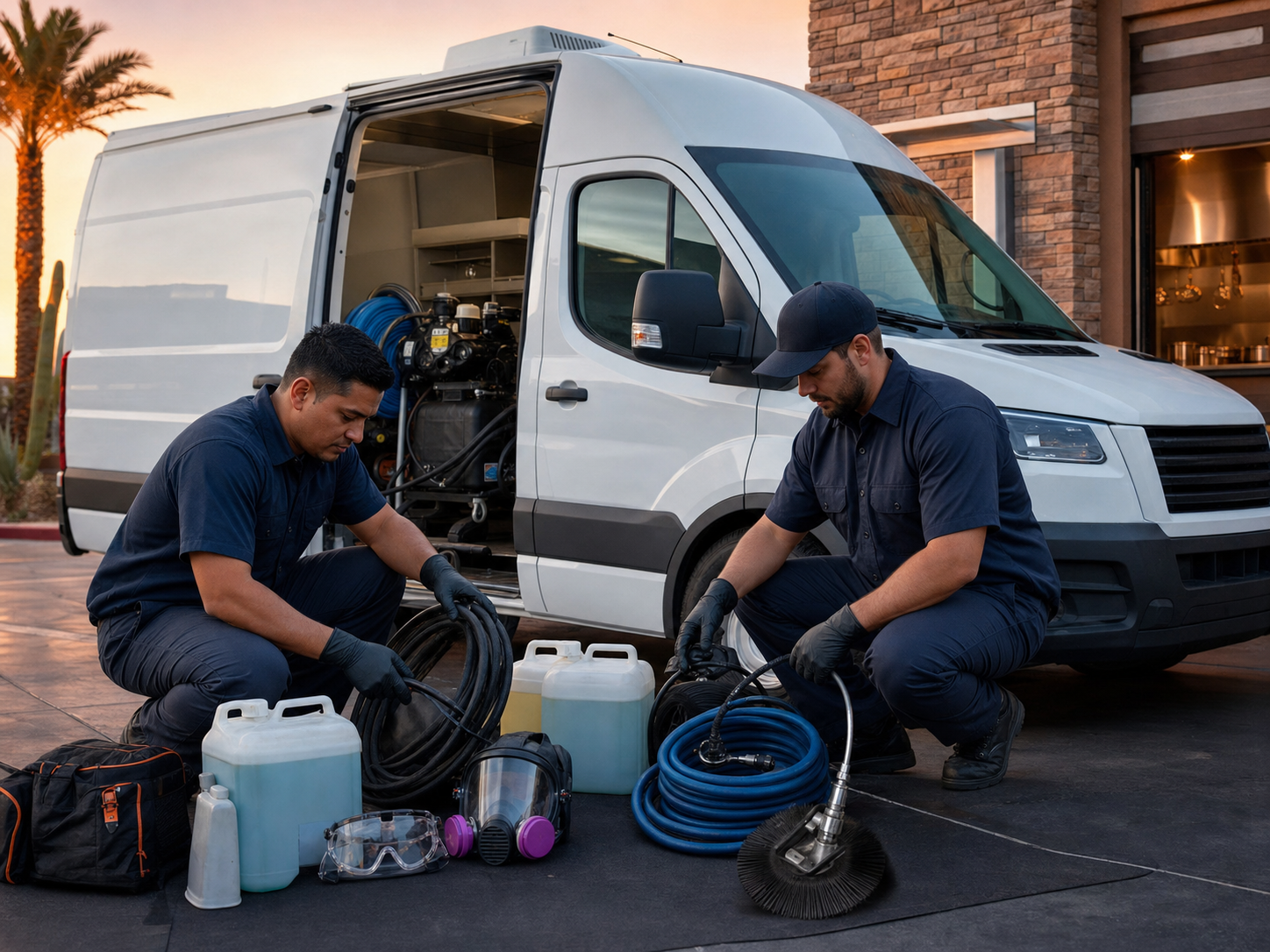
If you were talking about horse racing, you would understand that a trifecta requires picking the top three across the finish line in the right order. In the KEC arena, the trifecta is being trained, qualified, and certified–most likely in that order.
If you talk to some of the veterans of the early years of commercial kitchen exhaust system cleaning (sadly some are no longer around to visit with us), many of them have said they started out not knowing what to do, they just had to figure it out. Trial and error ruled, failure was a great instructor, and ineffective practices were eventually abandoned or considered unacceptable. That evolution led to the training that’s in place today across the industry. Standard writing entities and Authorities Having Jurisdiction have the expectation that businesses engaged in the Fire Code Maintenance and the Life Safety Industry expect proficiency, skill, and how to accomplish those things in a safe manner. Structured and organized training is the best approach to accomplishing what needs to be learned. Declaring that you are “Trained” must include adequate training for all that your scope of work includes, and continued training for the emerging technologies that are being installed in today’s modern commercial kitchens.
Training and participation certificates and money spent does not establish a company or individual as accomplished in the trade. Consistently executing due diligence of the details of a job, to the acceptance of AHJs, is evidence of being “Qualified”. Being qualified is a statement of competence and that training requirements have been met. Competency is displayed in the work ethic and standards of both company and service techs.
Beyond being qualified, the third leg of the trifecta is what truly identifies the professionals of the KEC industry. “Certification” should be what defines those who have accomplished a level of subject matter expertise. Subject Matter Experts (aka SMEs) are individuals with a deep understanding of a process or requirement and typically have developed expertise in their discipline over time that includes the rigor of continuous study in their field. The IKECA Certification Exams are uniquely valued by the scrutiny and discipline of psychometric development from an independent third party.
Here’s the bottom line. IKECA Certification Exams are not about Training, your experience, or how Qualified you are. It’s about how well you know the material in the International Mechanical Code (IMC), International Fire Code (IFC), the ANSI/IKECA Standards Trio (C-10, I-10 & M-10), NFPA 96, and OSHA Standards that are applicable to the scope of the work environment. Take advantage of the IKECA study guides, and invest the time and effort to be prepared to take the exam. Once passed, maintain the continuing education requirements. The IKECA Certifications have been developed as the most rigorous in the KEC industry and are recognized by the AHJ and Insurance Loss Prevention Communities. IKECA Certification is more valued for that reason.
Article Companion
The KEC Professional Trifecta at a Glance
| Professional level | Central idea in the letter | Evidence described by the author |
|---|---|---|
| Trained | Learning should cover the complete work scope and emerging kitchen technologies. | Structured instruction and continued training. |
| Qualified | Competence is demonstrated through consistent execution and due diligence. | Work ethic, standards, and acceptance by AHJs. |
| Certified | Subject-matter knowledge is assessed against applicable codes and standards. | Passing the IKECA examination and maintaining continuing education. |
Common Questions
Training and Certification FAQs
What does trained mean in kitchen exhaust cleaning?
Trained means an individual has received structured instruction covering the tasks, hazards, equipment, and procedures within the person’s scope of KEC work. Training should continue as systems and technologies change.
What makes a kitchen exhaust cleaner qualified?
Qualification is demonstrated competence. A qualified cleaner consistently applies training, exercises due diligence, follows appropriate safety and work standards, and performs work that meets the expectations applicable to the job.
Is a training certificate the same as professional certification?
No. A training or participation certificate documents attendance or completion. Professional certification generally requires an individual to demonstrate knowledge against defined requirements through a formal credentialing process.
What is the IKECA CECS certification?
The Certified Exhaust Cleaning Specialist credential is an individual IKECA certification developed for experienced KEC professionals and business owners. Candidates demonstrate knowledge through a formal examination and must satisfy applicable renewal requirements.
Primary Sources
About the Author
Dennis Poulin, CECS
Dennis Poulin is President of R & G Vent Cleaning Services and a Certified Exhaust Cleaning Specialist. He writes about commercial kitchen exhaust cleaning, professional standards, fire-code awareness, and the responsibilities of companies working in the life-safety industry.