The Practical Answer
Commercial kitchen exhaust cleaning removes combustible grease from accessible components between the cooking line and rooftop discharge. A complete service should address the hood, filter tracks, plenum, accessible ductwork, fan blades, fan housing, and related rooftop areas rather than polishing only the visible canopy. Phoenix-area facility managers should base service timing on cooking volume, fuel type, observed grease accumulation, previous documentation, and applicable fire-code requirements. The goal is a cleaner, documented exhaust pathway that supports airflow, inspection readiness, equipment care, and life safety without creating unnecessary disruption for the kitchen.
A commercial kitchen exhaust system moves heat, smoke, vapors, and grease-laden air away from cooking equipment. Because grease travels beyond the visible hood, a surface-only cleaning can leave deposits deeper in the plenum, ductwork, fan, and rooftop assembly.
What Does Full-System Commercial Exhaust Cleaning Include?
Service scope should be written clearly before work begins. Access, system design, safety conditions, and the time available can affect which components a crew can reach.
| System area | What the service should address | Why it matters |
|---|---|---|
| Hood and filter tracks | Built-up grease on accessible interior and exterior surfaces | Supports routine sanitation and removes visible fuel deposits |
| Plenum | Grease behind the filters and above the hood opening | Addresses buildup that is easy to miss from the cookline |
| Horizontal and vertical ducts | Accessible deposits along the exhaust pathway | Reduces concealed grease accumulation |
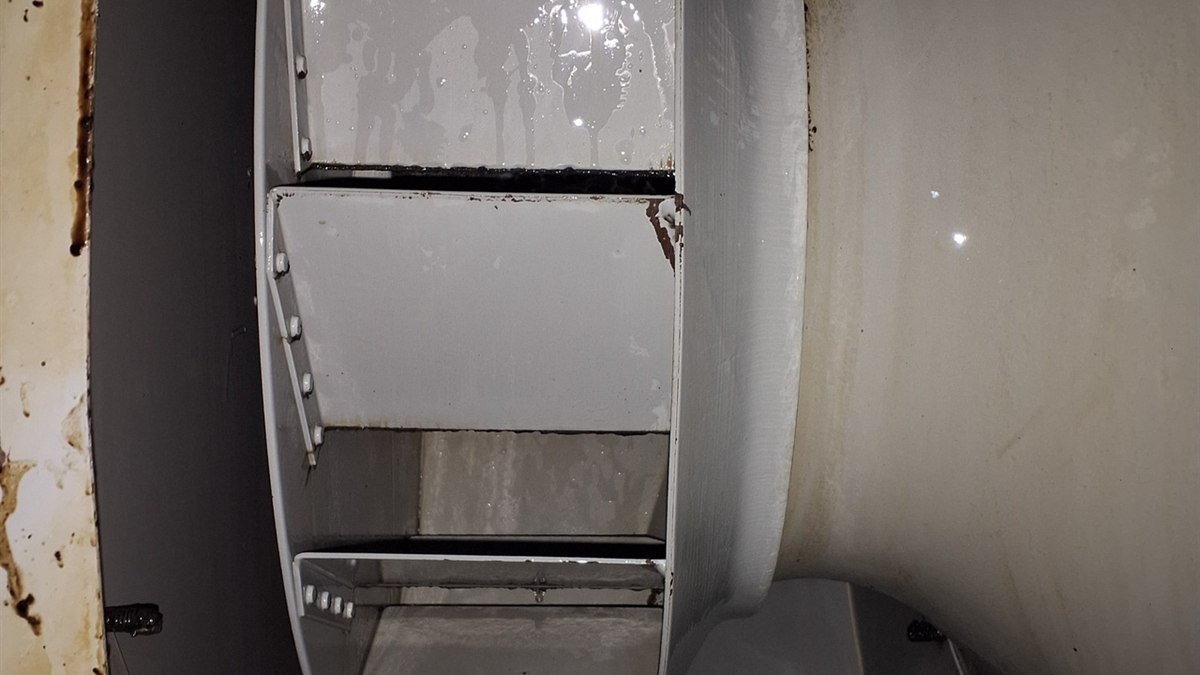
| Rooftop fan | Blades, housing, bowl, and accessible fan surfaces | Supports airflow and reveals visible maintenance concerns |
| Work and roof areas | Debris or residue produced by the cleaning process | Protects the facility and surrounding surfaces |
Does the proposal identify the hood, plenum, accessible ductwork, rooftop fan, filters, documentation, and any access limitations?
How Can a Facility Manager Tell the System Needs Attention?
A calendar is useful, but system condition matters. Schedule an evaluation when one or more of these conditions appears:
- Grease is visible behind the filters or inside the plenum.
- Filters remain saturated after normal in-house cleaning.
- Grease is collecting on fan components or leaking onto the roof.
- Airflow appears weaker or the cooking line feels unusually hot or smoky.
- The hood sticker, service certificate, or photographic record is outdated.
- A fire marshal, insurer, corporate safety team, or facility inspection is approaching.
- The cooking process, menu, operating hours, or fuel type has changed.
The applicable inspection and maintenance requirements depend on the operation and the authority having jurisdiction. NFPA 96 addresses ventilation control and fire protection for commercial cooking operations, including equipment inspection, testing, and maintenance procedures.
What Documentation Should Follow the Cleaning?
Documentation helps operations teams verify that work occurred and gives inspectors, insurers, and future service providers a clearer maintenance history. Ask for:
- A dated service certificate or hood sticker.
- Before-and-after photographs of accessible system components.
- A written description of the areas cleaned.
- Access limitations or components that could not be safely reached.
- Observed fire-code, access, hinge, belt, fan, or equipment concerns.
- Recommended next steps and a proposed inspection or service interval.
A condition report is not the same as a fire marshal inspection, but it can help the facility address visible deficiencies before they become urgent.
How Should a Commercial Kitchen Prepare for Service?
Good preparation protects equipment and allows the crew to spend its scheduled time on the exhaust system.
Confirm shutdown time
Coordinate when cooking equipment will be cool, inactive, and available.
Clear the work zone
Remove food, utensils, movable equipment, and personal items near the hood.
Arrange access
Confirm keys, alarm instructions, roof access, gates, and responsible contacts.
Share system history
Provide the last service record, inspection concerns, leaks, noise, or airflow changes.
Why Does Wastewater Handling Matter in Arizona?
Grease, chemicals, and cleaning residue must be contained and directed appropriately. Arizona stormwater does not receive the same treatment as sanitary wastewater before reaching waterways, which is why cleaning runoff should not be allowed to enter storm drains. Facility teams can review the Arizona Department of Environmental Quality stormwater guidance and applicable local sewer requirements.
Common Questions
Commercial Exhaust Cleaning FAQs
What is included in commercial kitchen exhaust cleaning?
A full-system service addresses accessible grease deposits from the hood, filter tracks, plenum, filters, horizontal and vertical ductwork, fan blades, fan housing, and rooftop exhaust components.
How do I know when a commercial exhaust system needs cleaning?
Warning signs include visible grease in the hood or plenum, saturated filters, deposits on fan components, grease leaking onto the roof, reduced airflow, overdue documentation, or an approaching inspection.
Does hood cleaning include the ductwork and rooftop fan?
The proposal should clearly identify which accessible hood, plenum, duct, and fan components are included. Confirm the complete system scope before approving service.
Can commercial hood cleaning be completed after hours?
Yes. After-hours scheduling can reduce disruption when secure access, equipment shutdown, work-area clearance, and reopening requirements are arranged in advance.
About the Author
Dennis Poulin, CECS
Dennis Poulin is President of R & G Vent Cleaning Services, a family-owned Phoenix-area commercial kitchen exhaust cleaning company established in 1994. R & G focuses on full-system care, practical customer education, service documentation, and fire-code awareness for commercial facilities.